Looking for a home that puts restaurants, workouts, errands, and nightlife within easy reach? Condo living in West Hollywood can offer exactly that, but it comes with a different ownership experience than a single-family home. If you are weighing a move here, it helps to understand both the day-to-day lifestyle and the practical tradeoffs before you buy. Let’s dive in.
West Hollywood Condo Living at a Glance
West Hollywood is a compact city in the heart of Los Angeles, with just 1.9 square miles and about 36,000 residents. The city reports that 64% of residents live in apartments, and four out of five housing units are in large multi-family buildings. That makes condo living feel natural here because the city is built around shared buildings, shared amenities, and an urban routine.
West Hollywood is also known for being highly walkable. City tourism materials describe a Walk Score of 91 and point to three major districts that shape daily life: the Sunset Strip, Santa Monica Boulevard, and the Design District. For many buyers, that means you are choosing convenience, access, and energy over yard space and separation.
What Daily Life Feels Like
Condo living in West Hollywood often means your routine can stay close to home. Depending on where you buy, coffee, dining, shopping, fitness, and entertainment may all be a short walk or drive away. That can make everyday life feel more efficient, especially if you want to spend less time in the car.
The city’s three main districts each bring a different rhythm. The Sunset Strip is known for hotels, music venues, and nightlife. Santa Monica Boulevard blends dining, shopping, gyms, bookstores, and nightlife, while the Design District is centered on art, cafes, salons, restaurants, and shopping.
West Hollywood also offers public spaces and recreation that support an active routine. Residents have access to the West Hollywood Park Aquatic and Recreation Center, Plummer Park, and Kings Road Park. The Helen Albert Certified Farmers’ Market at Plummer Park, held every Monday, adds another easy local errand to the weekly mix.
What Condos Commonly Offer
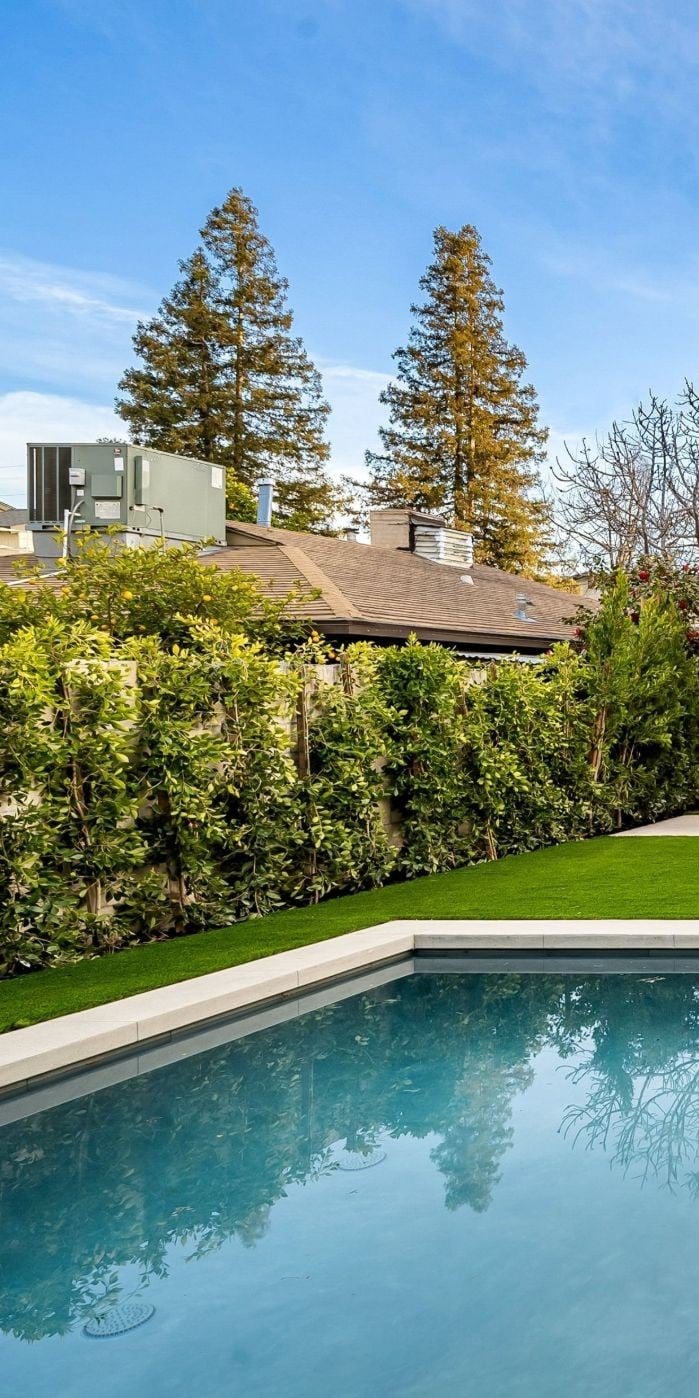
While every building is different, recent West Hollywood condo listings often highlight amenities that fit the area’s lifestyle. Buyers frequently see features like pools, spas, rooftop decks or sun decks, secured parking, and fitness spaces. In some higher-end buildings, you may also find heated pools, saunas, steam rooms, and other resort-style touches.
These features are not guaranteed in every property, but they are common enough to shape buyer expectations. In practical terms, condo living here can feel less like maintaining a house and more like living in a managed, shared environment. That is part of the appeal for buyers who want convenience and amenities without taking on exterior upkeep themselves.
The Walkability Advantage
One of the biggest reasons people choose a West Hollywood condo is walkability. In many parts of Los Angeles, daily life can depend heavily on driving. In West Hollywood, you may be able to walk to restaurants, cafes, fitness studios, shops, and some everyday services.
That shift can change how you use your time. Instead of planning around longer commutes for basic errands or social plans, you may have more flexibility to be spontaneous. For buyers relocating from more car-dependent neighborhoods, that can be one of the clearest lifestyle upgrades.
The Tradeoff: Less Private Space
The convenience of condo living usually comes with less private outdoor space. Compared with a single-family home on the Westside, a West Hollywood condo often means a smaller patio, balcony, or no private yard at all. You are trading private land for a more connected, urban setting.
For some buyers, that trade makes perfect sense. If your priority is being close to dining, services, fitness, and entertainment, shared amenities may matter more than a backyard. If privacy and exterior space are high on your list, it is important to weigh that carefully before you commit.
HOA Living in West Hollywood
Buying a condo means buying into an HOA structure. In California, HOA governing documents called CC&Rs set rules for how the association operates, what owners must do, and how violations are handled. The state also notes that the Davis-Stirling Act governs areas such as finances, maintenance responsibilities, and dispute resolution.
In plain terms, condo ownership is more rule-based than owning a detached home. You will likely have monthly dues, shared maintenance obligations, and building policies that affect how you use the property. Before buying, it is worth making sure the building’s rules fit how you actually plan to live.
What the HOA May Cover
In many condo buildings, the association handles common-area repair, replacement, and maintenance unless the declaration says otherwise. That can reduce the amount of exterior work you personally manage. It is one reason condo ownership appeals to busy professionals, relocating buyers, and owners who prefer a lower-maintenance setup.
Still, you should not assume all buildings cover the same things. HOA coverage can vary, and the details matter. Reviewing what is maintained by the association versus the unit owner is one of the most important parts of your due diligence.
Why Building Age Matters
West Hollywood’s housing stock is older than many buyers expect. The city says about 93% of its housing stock is at least 30 years old. That does not mean older condo buildings are a bad choice, but it does mean condition, reserves, and capital planning deserve extra attention.
A building can look polished in the lobby and still have major systems that are aging behind the scenes. Roofs, plumbing, elevators, exterior elements, and structural work can all affect future costs. In West Hollywood, older buildings often require a deeper look beyond finishes and staging.
Seismic Retrofits and Deferred Maintenance
West Hollywood says it continues to move forward with a mandatory seismic retrofit program. For condo buyers, that makes building condition more than a cosmetic issue. If a building is older, you will want to understand whether retrofit work has been completed, is underway, or may still be ahead.
This is also where deferred maintenance risk can show up. Thin reserves or postponed repairs can lead to larger future costs for owners. A well-run HOA with solid planning can make a meaningful difference in how predictable ownership feels over time.
Reserve Funds and Special Assessments
California requires reserve planning for HOAs. Civil Code 5550 calls for reserve-study visual inspections at least every three years, and Civil Code 5551 requires visual inspections of exterior elevated elements such as balconies and decks at least every nine years. These rules matter because they help buyers understand how a building is planning for future repairs.
When you are reviewing a condo, pay close attention to reserve funding, recent capital projects, and the condition of balconies or decks where applicable. You should also ask whether the HOA is discussing or anticipating special assessments. In an older West Hollywood building, those questions are essential, not optional.
Parking and Location Still Matter
Even in a walkable city, parking can shape your experience. Secured parking is a common feature in West Hollywood condo listings, but the number of spaces, guest parking, and ease of access can vary a lot from building to building. If you have more than one car or expect regular visitors, that deserves a close look.
Location within the city matters too. A condo near the Sunset Strip may offer quick access to nightlife and entertainment, but buyers should also think about the activity level that comes with that setting. A calmer pocket within West Hollywood may fit better if you want walkability with a slightly quieter day-to-day feel.
Renting Out a West Hollywood Condo Later
Some buyers want flexibility in case plans change. If you think you may rent out the condo in the future, West Hollywood’s local rental rules are important to understand early. The city says most multi-unit properties built before July 1, 1979 fall under its rent stabilization ordinance, and nearly all residential units are covered by the city’s just-cause eviction rules.
The city also adopted a one-year initial lease term for single-family residences and individually owned condominiums, effective January 1, 2025. On top of city rules, the HOA may have its own rental restrictions. If future leasing is part of your plan, this is an area where careful review can save you from surprises later.
Who Condo Living Fits Best
West Hollywood condo living tends to fit buyers who want an amenity-rich, urban lifestyle and feel comfortable with shared spaces and HOA oversight. If you value being near restaurants, fitness, shopping, parks, and entertainment, the tradeoff can be well worth it. Many buyers see it as a smart way to live close to the action without taking on the maintenance of a detached home.
It may be less ideal if you want a large private outdoor area or prefer fewer ownership rules. The best fit usually comes down to how you want to live every day, not just what looks appealing in listing photos. A condo can be a great match here, but only if the building, location, and HOA structure align with your goals.
Smart Questions to Ask Before You Buy
Before you move forward on a West Hollywood condo, keep these practical questions front and center:
- How much does the HOA cover?
- How old is the building?
- Are there pending special assessments?
- Have major capital projects been completed recently?
- What is the status of any seismic retrofit work?
- Are balconies, decks, and other exterior elements in good condition?
- How adequate are resident and guest parking options?
- How active is the immediate area at night?
- Can you rent the unit later if your plans change?
These questions can help you separate a beautiful unit from a sound long-term purchase. In a market like West Hollywood, details at the building level matter just as much as the unit itself.
If you are considering condo living in West Hollywood, a thoughtful, building-by-building review can make all the difference. The right property can offer a great blend of convenience, style, and long-term usability. When you are ready for tailored guidance on West Hollywood condos and the broader Westside market, connect with Mark Gallandt.
FAQs
What is daily condo living like in West Hollywood?
- Daily life in a West Hollywood condo is often centered on walkability, shared amenities, and quick access to dining, shopping, fitness, parks, and entertainment.
What amenities do West Hollywood condos usually have?
- Many West Hollywood condo listings feature amenities such as pools, spas, rooftop or sun decks, secured parking, and fitness spaces, with some buildings offering more resort-style features.
Are West Hollywood condo buildings older?
- Yes. The city says about 93% of West Hollywood’s housing stock is at least 30 years old, which makes reserves, maintenance history, and capital improvements especially important to review.
What should you know about HOA rules in West Hollywood condos?
- Condo ownership in West Hollywood usually includes HOA dues, shared maintenance responsibilities, and building rules set through CC&Rs and governed under California HOA law.
Can you rent out a condo in West Hollywood later?
- Possibly, but you should review both city rental rules and the HOA’s rental restrictions because West Hollywood has a more regulated rental framework than many nearby areas.
Is West Hollywood condo living right for you?
- West Hollywood condo living is often a strong fit if you want a compact, walkable, amenity-rich urban lifestyle and are comfortable with HOA oversight and less private outdoor space.